 USA
USA  Canada
  Brazil
  Germany
  France
  Italy
Italy  Switzerland
  Sweden
  Spain
Spain  Great Britain
  Norway
  Russia
  South Africa
  Japan
Japan  Australia
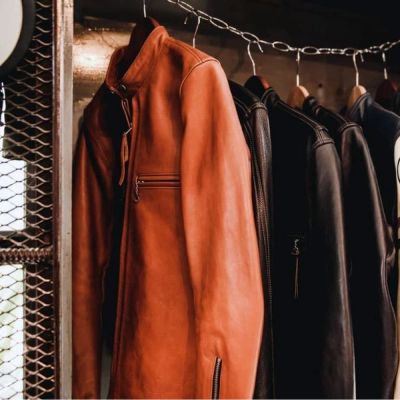
A high-quality leather coat is more than just a piece of clothing; it is a long-term investment. Whether it’s a rugged biker jacket or a sophisticated trench, leather develops a unique character over time. However, when that inevitable spill occurs or the lining begins to lose its freshness, most people instinctively think of the dry cleaners. But is "dry" cleaning actually safe for a material that relies on "natural" oils?
According to the expert care guide at Leather Collection, the answer is a bit more complicated than a simple yes or no. Understanding the risks and the right professional methods is the only way to ensure your coat lasts for decades.
The Problem with Standard Dry Cleaning
The term "dry cleaning" is a bit of a misnomer; it involves soaking clothes in a chemical solvent (usually perchloroethylene) instead of water. While this is great for wool or silk, it can be devastating for leather.
Leather is a natural skin that contains essential oils. These oils are what keep the hide supple and prevent it from cracking. Standard dry cleaning solvents are designed to dissolve grease and oils—meaning they can strip the "life" out of your leather coat.
Risks of Using Non-Specialized Cleaners
Loss of Natural Oils: Removing these oils makes the leather brittle and prone to peeling.
Color Fading: Harsh chemicals can react with the dyes used in the tanning process, leading to patchy or faded spots.
Texture Changes: Your soft lambskin could return feeling like stiff cardboard if the process isn't managed correctly.
Adhesive Failure: Many coats use glues in the collar or cuffs that can dissolve when exposed to standard solvents.
When Should You Seek Professional Help?
Despite the risks, there are times when home remedies simply won’t cut it. If your has a deep-set stain, mold growth, or a significant odor in the lining, professional intervention is necessary. The key is to find a Specialized Leather Professional rather than a neighborhood dry cleaner.
Choosing the Right Professional
A true leather specialist does not use standard dry cleaning machines. Instead, they use a controlled process that includes:
Re-oiling (Fat-Liquoring): After cleaning, a specialist will reintroduce essential oils back into the hide to restore its suppleness.
Redyeing: If cleaning causes slight color loss, a pro can skillfully touch up the pigment to match the original shade.
Lining Care: They often clean the interior lining separately to avoid over-processing the exterior leather.
Proactive Maintenance: Avoiding the Cleaners Altogether
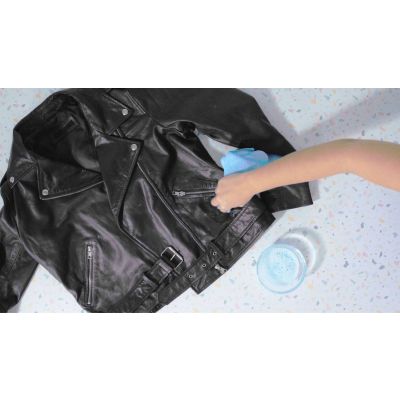
The best way to care for a is to prevent the need for heavy cleaning in the first place. Most surface dirt can be handled with a "less is more" approach at home.
Essential Home Care Tips
The Damp Cloth Method: For dust or light mud, a slightly damp microfiber cloth is usually all you need.
Cornstarch for Oil: If you drop something greasy on your coat, sprinkle cornstarch on the spot and let it sit overnight to absorb the oil before wiping it away.
Ventilation: To keep the lining fresh, hang your coat on a wide, padded hanger in a well-ventilated room after every wear.
Conditioning: Use a high-quality leather conditioner every 6 to 12 months to keep the fibers hydrated and resistant to stains.
Final Thoughts
Can you dry clean a leather coat? Yes, but only if you entrust it to a specialist who understands the chemistry of animal hides. As Leather Collection emphasizes, your goal should be "preservation" rather than just "cleaning." By focusing on routine maintenance and choosing professional services wisely, your leather coat will remain a centerpiece of your wardrobe for a lifetime.
Is your coat starting to look a little dull? Skip the chemicals and try a professional-grade leather conditioner first to see that natural glow return!